I have worked with brands that treat employee testimonial video like a logistics problem. Set up the cameras, mic the room, have someone ask a few questions, and let the editor figure it out later. The footage comes back and everyone in it sounds like they are reading from a script, even when there was no real script. The technical setup was fine, but the room was not directed and you can hear it.
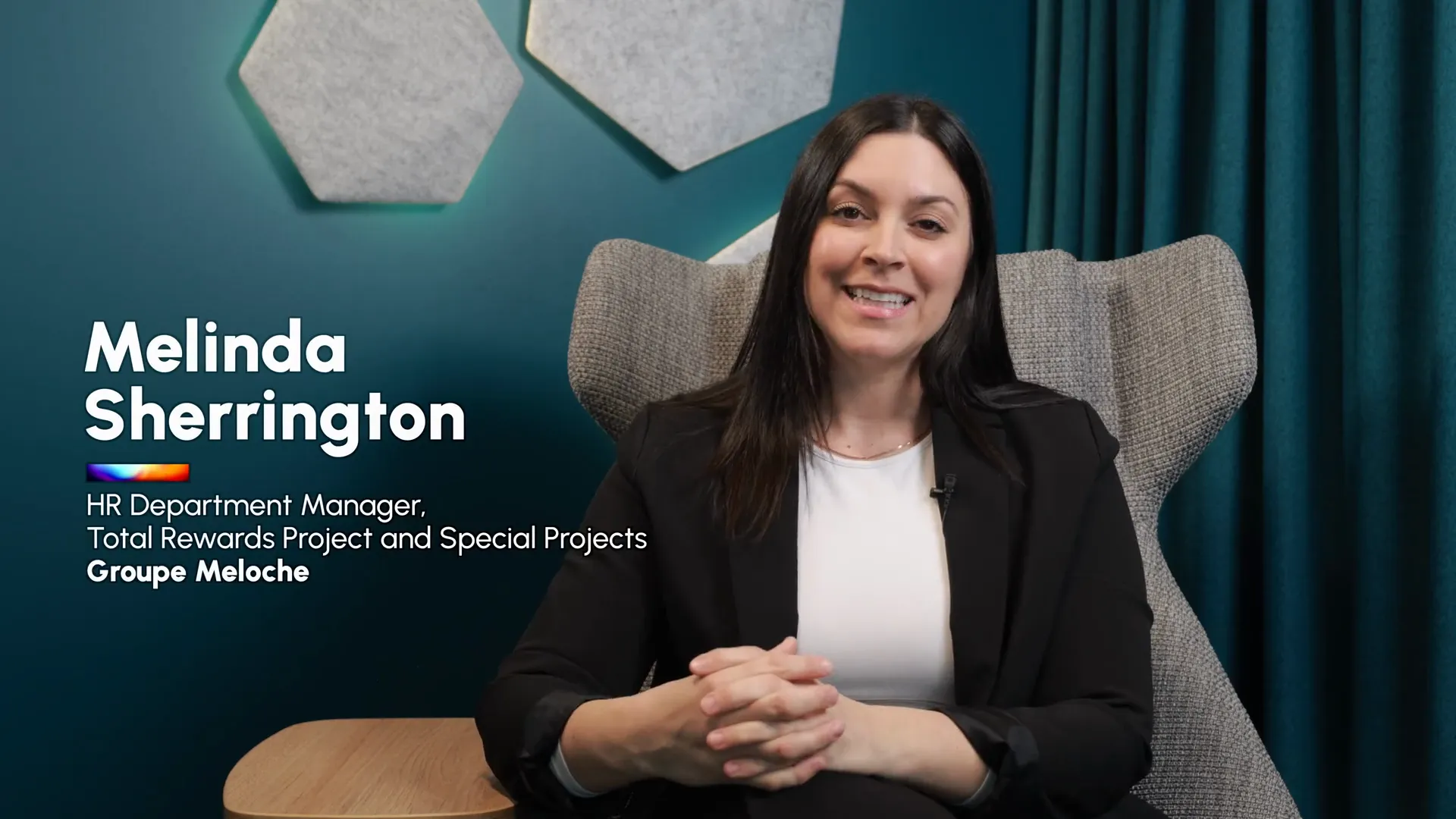
I have directed this work across different kinds of briefs. A Quebec wide employer brand shoot for Sephora Canada behind their Forbes Best Employers recognition. A customer success film for HR Path built on their work with Groupe Meloche. An interview for NFL Canada in Châteauguay that became a campaign film. Stills around a live customer story shoot for Google. The constant across all of them is that the person in front of the camera does not do this for a living, and nobody warned them what it would feel like.
I looked up what gets written about this topic and almost everything agrees that authenticity matters more than production value. Very few of those articles explain how you actually get it out of someone who is nervous and sitting under lights for the first time with six people watching. The reality is that authenticity is easy to agree with and hard to direct. It gets decided in the room, and the room is the part nobody writes about, so that is the part I wanted to write down.
The work happens before the camera turns on
By the time someone sits down in the chair, most of the outcome has already been decided by what happened in the weeks before.
On the HR Path film, I wrote the shooting script and sent it to both speakers days ahead, in French, so they could sit with the questions before we filmed. The point of sending it early is not so they memorize anything. It is so they arrive having already thought about the answer, which makes them relaxed enough to stumble through it and try again. Someone seeing the question for the first time on camera tends to protect themselves, and that self protection reads as scripted even when nothing is scripted.
I ask people to restate the question inside the answer so the clip works on its own. I tell them to give me a sentence or two rather than one word. I tell them to talk to me the way they would tell a friend about their summer. And then I give them the line that takes the most pressure out of the room: take all the time you want, because we can edit out silence, but we cannot edit in an answer you never gave.
The answer has to carry the feeling
All of that gets me a clean answer. Whether it is a usable one comes down to something else, and it is the part most people leave out.
People default to the fact on its own: the experience has been good, the team is supportive, I learned a lot. Every one of those is true and none of them travel, because a fact with no feeling attached gives the viewer nothing to connect to. The clip is accurate and the room stays cold.
So I push people off the generic adjectives onto descriptive ones, and I ask for the why underneath the what. What surprised you, and what did it make you feel. The answer comes back sounding like: what surprised me most was this, and it made me feel really valued. Same person, same story, one sentence longer, and that is the version that survives the edit.
What to do when someone freezes
You can see it happen: the shoulders come up, the eyes go to the lens, and the person you were having a conversation with two minutes ago disappears.
One stiff take is a data point and I let it go. Three stiff takes in a row is a trend, and a trend means the room is wrong, which makes it mine to fix rather than theirs.
The instinct is to tell them to relax. That never works, for two reasons: a, being told to relax is one more instruction to perform, and b, the person already knows they are stiff, so you have just confirmed it for them.
What I do is ask them to close their eyes and take a deep breath, then think of someone or something that makes them genuinely happy. A person they love, a puppy, whatever version of themselves they like the most. I count to three and on three they open their eyes and look into the lens as if that person is standing right behind it.
I have used this on every testimonial shoot I have directed and it has never not worked. A lens is an object and people perform at objects, but once you replace it with someone they care about, even an imagined someone, the impulse to perform falls away and something real comes through.
Every layer between you and the person costs you the answer
I direct in French when the room is French. I work in both languages and I do not run French interviews through a translator. A translator will get you the words, but the dynamic between director and subject is what gets you the real answer, and that dynamic does not survive being relayed through someone else.
This applies to any intermediary. Direction that passes through a producer or a coordinator before it reaches the person on camera arrives softer, and softer direction produces safer answers. I keep the line between me and the subject as short as possible because rapport needs to be built fast and it needs to be genuine.
The goal is footage that feels human and unguarded. People can sense when a moment has been arranged for them, and once they feel it they stop trusting the rest of the process.
Observing and staging are both directing
Not everything I direct is an interview.
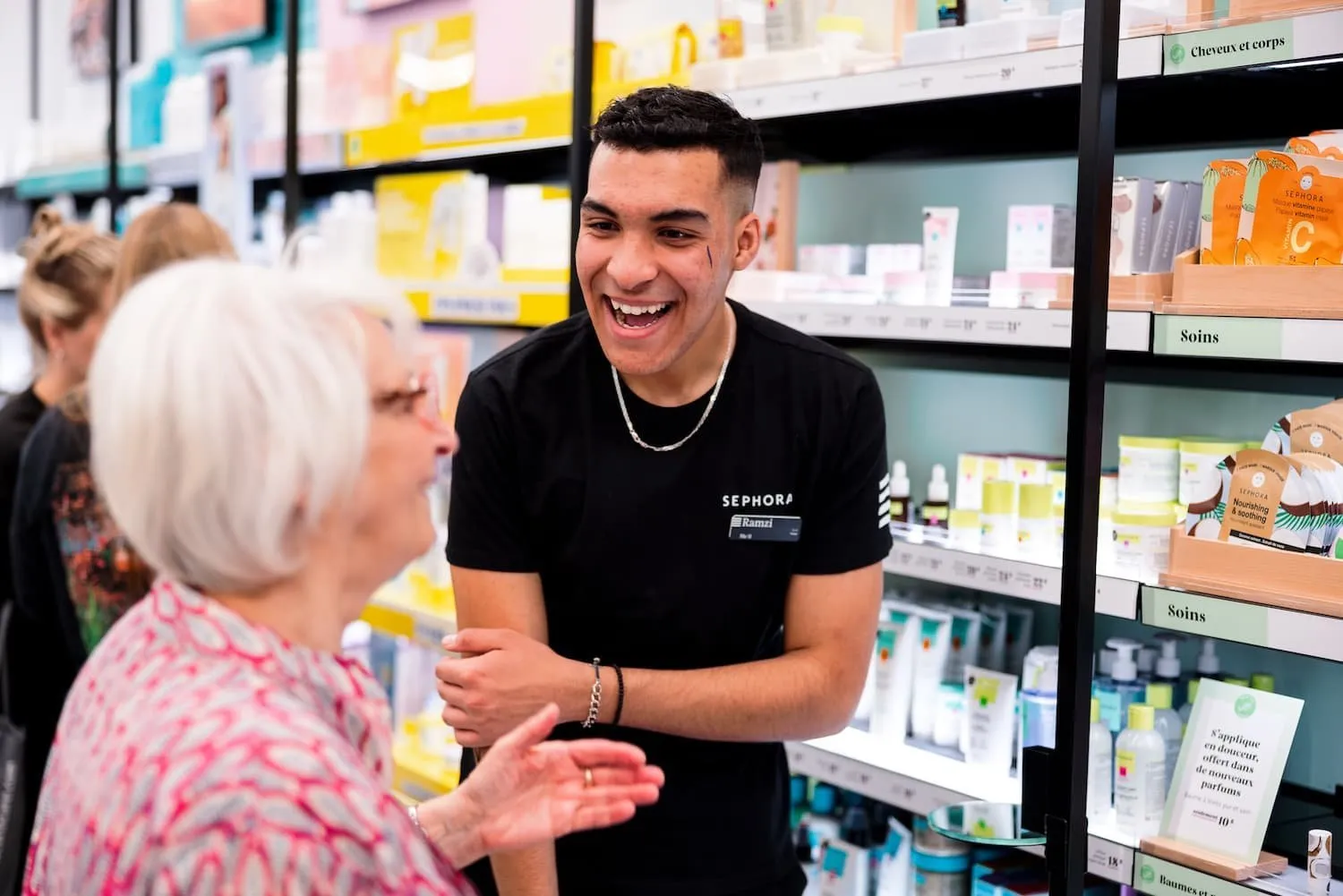
On the Sephora Canada shoot, the brief was real employees in their real work, photographed across store locations for the recognition announcement. I have learned that employees lock up the moment they see a camera pointed at them, so I tell them I am only there to observe and that they should carry on exactly as they were. That one sentence lifts the obligation to be interesting, and once the obligation is gone people tend to forget the camera within a few minutes.
There are also moments I stage, and staging is not the opposite of authenticity when the person is inhabiting their own day. I tell people we are making a film of their routine and they have been dropped back into it. The frame is mine, but the moment inside the frame is theirs.
Both approaches are the same job: take the pressure off, then give people somewhere real to put their attention.
The room is the job
NFL Canada briefed event documentation of a cheque presentation in Châteauguay. Then it rained hard, the outdoor plan was gone, and honestly the easy call would have been to shoot what was left and go home. Instead I made the rain part of the story, a community that shows up regardless of the weather. I directed an interview on the spot and that interview carried the whole piece, which went out as a campaign film rather than a recap gallery.

None of the planned shots happened that day, and what made it a film instead of a loss was that someone in the room could direct an interview when the moment called for it.
If you are commissioning employee or customer video, the question I would ask any director you are considering is whether they have ever had to bring someone back from a freeze. The work should come back beautiful, polished, and restrained, with the person in it sounding like themselves. If you have one coming up, tell me about it.
FAQ
Should employees use a script or a teleprompter for a testimonial video?
Send the questions and the script in advance, then put both away before you roll. Someone who has thought about the answer ahead of time is relaxed enough to fumble it and go again, which is what you want. A teleprompter does the opposite, because it puts the words between the person and the camera and you can hear it immediately. The script is there to make the room loose, not to be read aloud.
How do you get a nervous employee to relax on camera?
Rapport first, before anything is rolling, and it has to be real because people can tell. When someone locks up I have them close their eyes, breathe, and picture someone they love. On a count of three they open and speak to the lens as if that person were standing behind it. It works because it replaces an object with a human being, and the impulse to perform falls away. I also tell people that silence is free, since knowing the pause will be cut removes most of the pressure to fill it.
What is the difference between an employee testimonial video and an employer brand video?
A testimonial is one person telling one story on camera, usually to prove something specific about the work or the culture. An employer brand piece is broader and covers what the place feels like day to day, often carried by observed moments rather than interviews. They get briefed as the same line item but they need different approaches. The testimonial depends on the interview. The employer brand piece depends on whether people forgot the camera was there.
Can you film employee interviews in French and English on the same shoot?
Yes, and it should be the same director in both languages. Running the French through a translator means someone is directing at one remove, and the answers come back flatter for it. I direct in French and English, so a bilingual room is one shoot rather than two. The francophone speakers get the same direction as everyone else, which matters in Quebec where half the room may be answering in their second language if you let them.
How much of an employee video shoot is preparation?
More than most people expect. The story angle, the question guide, who speaks and in what order, the script sent early to the people on camera. All of that happens before the shoot day, and all of it shapes the footage more than the lighting does. The filming itself is often a half day, and the reason it can be a half day is that by the time we roll most of the decisions have already been made.