I have watched brands brief an activation and its photography as one line item. A photographer, a day rate, a recap gallery, and the word everyone reaches for is event photography because that is the phrase that exists. Then the images come back looking like proof the day happened, and nobody can say why the expensive activation does not feel like the work and the investment that went into it.
The content is the last mile. It is where the work of a lot of teams finally arrives in one place, and it is what gets shared on social and in boardrooms to decide whether the whole thing succeeded.
The reality is that event photography and brand activation coverage are two different jobs pointed at the same room. One is built to record what occurred. The other is built to give the brand something it can keep using, and you have to decide which one you are buying before anyone shows up with a camera.
I shoot brand activations. Recent ones include American Express and Salesforce at the Canadian Grand Prix, Amazon across Montreal and Toronto, Nespresso twice, the American Express dinner series, the OG1 brand launch for the Montreal Canadiens, Uber Eats at Jazz Fest, UGG, and Hendrick's Gin. Every one starts with the same question, before the shot list: what does this activation need to make people feel, and where do the images need to live after.
What event photography is for
Event photography documents, and it proves the event happened. The logos are visible, the room looks full, the guests are smiling, and the recap gallery lands the next morning. For a lot of moments that is exactly the right buy, and a good event photographer is worth every dollar of it.
What documentation does not have is a long life. It runs for a week, confirms attendance, and goes in a folder, which is fine when a folder is where you needed it to go.
The two have completely different shelf lives, and that is the part that should be deciding the budget. Proof of the day is worth the most in the first 48 hours and close to nothing after that. Brand context is worth the most six months later, when a marketing team needs a frame for a campaign and the only thing in the folder is a wide shot of a full room.
A brand activation is not an event
An activation is a brand spending real money to show up somewhere and hoping people feel something. That is a way different ballpark from a party that needs recording.
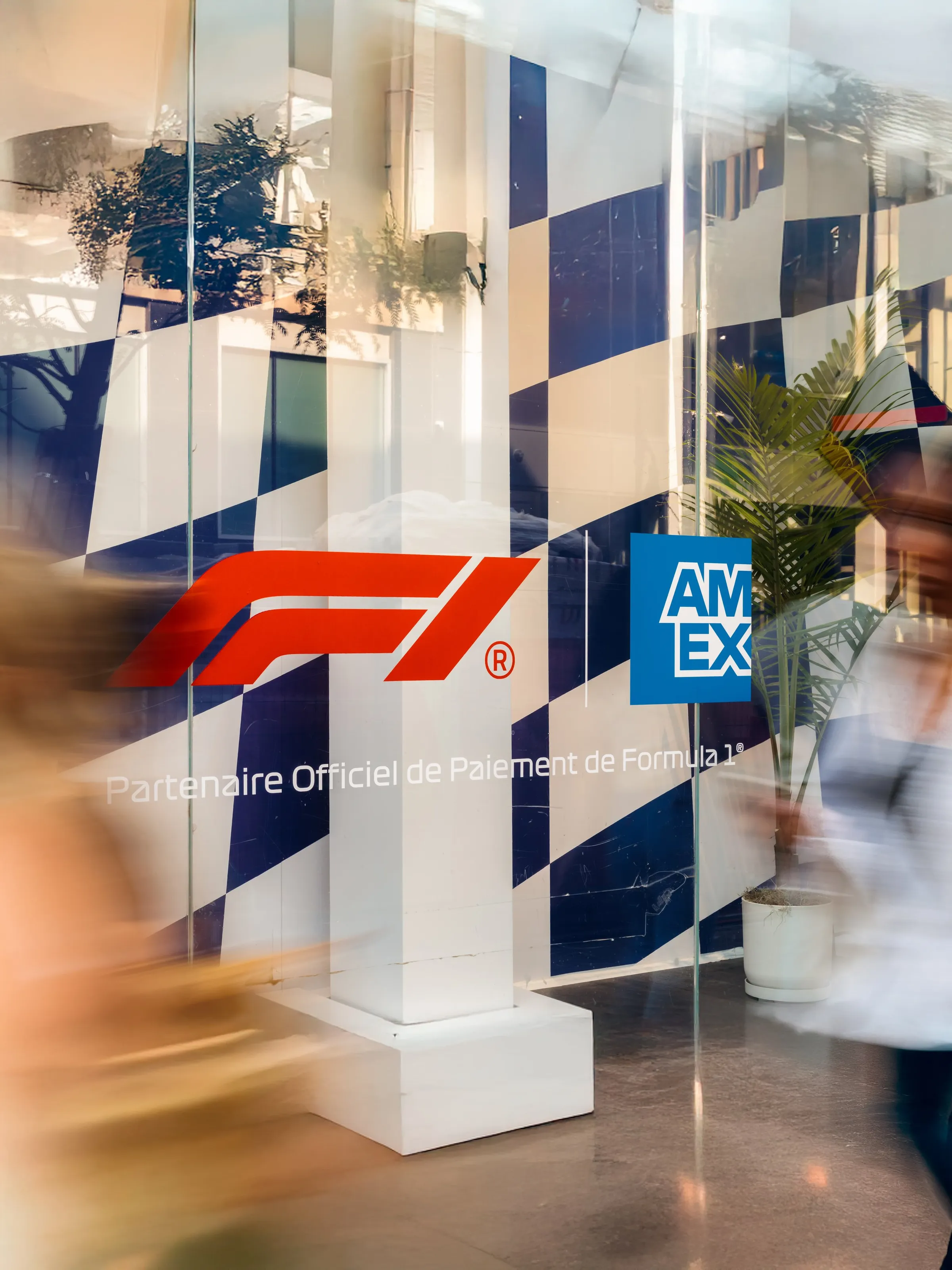
American Express hired me for three days at the Canadian Grand Prix. The brief said cover the activation, and the real question underneath it was bigger: how does a financial services brand show up at the Grand Prix without looking like sponsorship signage.
An event photographer shoots who is in the room. For this one, I decided who should be. I cast talent to stand in as cardmembers and styled them with no visible branding. A summer dress, a plain shirt, people who read as real at the Grand Prix rather than models holding a card. Then I directed them across two worlds, the Maison Amex lounge and the trackside. The brand lived inside a weekend, not on a banner.
From there I shot it three ways across the same weekend, and I plan it that way now on every activation. Documentation handled the recap, logos visible, foot traffic on camera, proof the activation ran. Editorial built the brand portfolio, people in environment, ambient luxury, the moments between the moments. Press ready singles came last, frames that could carry a feature without a caption.
The first set went out at 8:56 the same evening, a solid six hours of editing after the shoot wrapped, so the team could publish while the weekend was still live. Fashion Magazine ran the work in print and online. Amex posted the set to nearly 800,000 across its channels. Engagement landed thirty percent above Amex Canada's social average. The brand came across as a lifestyle company at a sport event, not a sponsor at a sport event. That distinction was the whole assignment, and no amount of documentation gets you there.
The frames event coverage never gets
The difference shows up in what a camera is told to look for.
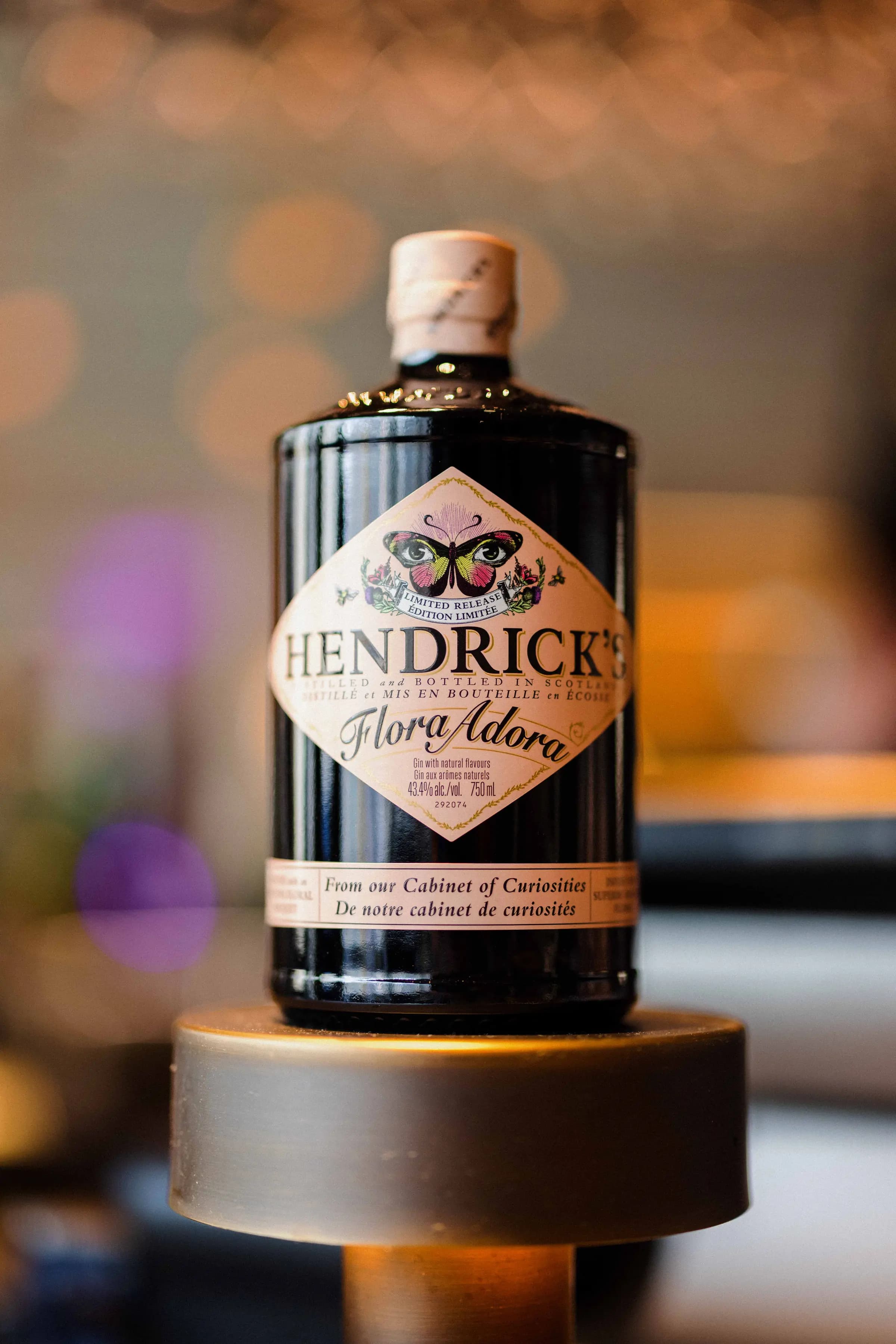
Hendrick's Gin launched a limited edition built on a deliberately strange, Victorian apothecary world. The risk at a launch is that the strangeness gets sanded down to fit a hospitality template. I shot the activation as a continuation of the bottle's world, not as a separate event. Botanical detail, apothecary framing on the cocktails, people staged like figures in the brand's illustrations. It felt like Hendrick's, not like a gin launch.
At Jazz Fest, I shot an Uber Eats activation to live inside the festival's own image library, not beside it. The goal was the sponsor that does not read as a sponsor. A brand present in the frame the way the festival itself is present, not a logo bolted onto the night.
That editorial pass is the one that keeps working. Those frames feed social for months, carry the press story, and give the next brief its reference, which is not something documentation was ever asked to do.
It has to look like the brand
Most activation images do not end up in a folder. They go on the brand's own social, next to the campaigns, and that is the real test of whether the coverage worked. Nespresso posts them to Nespresso's feed. Psycho Bunny ran mine in paid social as title sponsor of Tennis Canada, which is the version of this that costs the brand money to be wrong about. IWC ran the George Russell night on their own channels, and Breitling did the same with Laurent Duvernay-Tardif at the Royalmount boutique opening. So the photography has to belong there, in the brand's aesthetic, and not arrive looking like a visitor.
That is where a default preset gives itself away. A look that runs unchanged across every job lets the skin tones drift and leaves the colours wherever the camera decided, which nobody minds at a personal event and everybody notices on a brand's grid, because it reads as the one post that does not belong.
So I grade every photo and video to the brand's own colours, and the set sits inside their feed instead of interrupting it. Colour is the whole tell here: get it right and the work looks like something the brand made, get it wrong and it looks like something the brand bought.
Brief for where the images will live
Honestly, the fix here costs nothing. It is a clearer brief, not a bigger budget.
Before an activation I ask two things, and everything downstream falls out of them: a, where do these images need to go, and b, how long do they need to last. An internal recap that runs for a week is one job; social, press, and a campaign that carries a season is a different one, and the answer changes the crew, the shot plan, and the edit. It is the difference between a gallery you post once and a set the brand pulls from all year.
An activation is usually the expensive part of the marketing calendar, and the coverage is what decides whether it earns anything past the week. That decision gets made in the brief, months before anyone argues about the edit, and it is worth ten minutes of somebody's attention. Beautiful, polished, made with restraint, and built to be used.
The activation deserves better than a recap
If you are planning a brand activation, decide what the images are for before you decide who shoots them. Proving it happened and making it worth having happened are two different asks, and only one of them survives the quarter. If you have one coming up, tell me about it.
FAQ
What is the difference between event photography and brand activation photography?
Event photography documents what happened, so a brand can prove the moment and recap it. Activation photography produces brand assets, images built to sell the brand and run across social, press, and campaigns. The first is measured by whether the day is captured. The second is measured by whether the images still earn their place months later. Most activations are briefed as the first when they need the second.
Do I really need more than a recap gallery for an activation?
If the activation only needs an internal record, a recap gallery is enough. If the brand spent to show up somewhere and wants the moment to fuel content, the recap is the floor, not the ceiling. The images from an activation can carry social for a season and land a press feature. But only if they were shot for that from the start. That decision is made in the brief, not in the edit.
How do you shoot a brand activation differently from an event?
I start with where the images need to live and what the brand should feel like in them, then build the coverage around that. On the day I shoot it three ways: documentation for the recap, editorial for the brand portfolio, and press ready frames that can carry a feature. I also read the brand's own world closely, so the activation reads as an extension of it rather than a stage with a logo. The result is a set that works long after the event is over.
Can one photographer deliver both the recap and the brand content?
Yes, when it is planned. I build both into the same day, because the documentation and the editorial need different framing, timing, and attention. The recap is what satisfies the report internally, and the editorial is what wins the next brief, so most activations genuinely need both. Trying to add the editorial pass after the fact rarely works, because by then the moments are already gone.
What should a brand activation brief include?
Tell the photographer where the images will live, for how long, and what the brand should feel like. Add the activation schedule, the brand guidelines, and the moments that matter most. The intended use is the part most briefs skip, and it is the part that changes everything. A frame for an internal deck and a frame for a press feature are not the same photograph.