I have delivered galleries a brand pulled from for a year, and galleries a brand opened once and never went back to. The work was not that different on the day. What separated them happened before the camera came out, in the part of the job nobody bills as a line item: deciding what the shoot is actually for, which moments matter, and what someone should feel when the images land.
I came to this from the other side. Seven years in brand strategy at IBM's experience agency and at Signifly, leading positioning, messaging, and design thinking for enterprise clients, and then I picked up a camera and started directing and producing for brands like American Express, TAG Heuer, Sephora, and Michael Kors. The strategy never went anywhere. It just stopped being a deck and started being where I put the frame.
The question that changes every shoot
When I sit down with a client before a shoot, the first thing I ask is not about locations or logistics. I ask what the core emotion is, the highlight moment we want people to feel.
On a recent project for a major coffee brand sponsoring a marathon, I asked the client this question during our planning call. What should someone feel when they see these images? The answer shaped everything. We were not documenting a race. We were capturing the energy before, the intensity during, and the calm after. That framing changed the scouting, the talent I brought, the moments I prioritized, and the edit I delivered. The client told me afterward that no one had ever asked them that question before.
The question comes first because everything else is downstream of it. Shot lists, timelines, and deliverable counts are logistics. They matter, but they serve the answer.
What I watch on set
When I am shooting, I am reading the room on two levels at once.
The first level is craft. Light, composition, timing, and whether the frame is holding and the moment is landing. This is the baseline, and it never stops running.
The second level is the brand. Is it represented the right way in this frame? Is the emotion coming through? Is there anything in the scene, an object, a colour, an expression, that undercuts the message? The strategy years trained me to ask these questions without breaking stride.
I once stopped a shoot to move a water bottle. A competitor's logo was visible in the background of what would become the hero image. Small detail. But the frame is going to live somewhere specific, and I am thinking about how it will be used, not just how it looks in the viewfinder.
Being something for somebody
The Joy Wellness Club editorial shoot is a good example of what direction produces.
The client needed launch imagery for a luxury wellness space in Montreal. The obvious version was what every spa publishes: serene interiors, folded towels, candles, soft focus. Clean, calm, interchangeable with the spa down the street.
My direction was different. I put a model in a tailored suit inside the thermal baths and saunas. A suit in a spa. The tension was deliberate. It said this place is for professionals, people who live at high speed and need a space that matches their standard. The contrast made people stop.
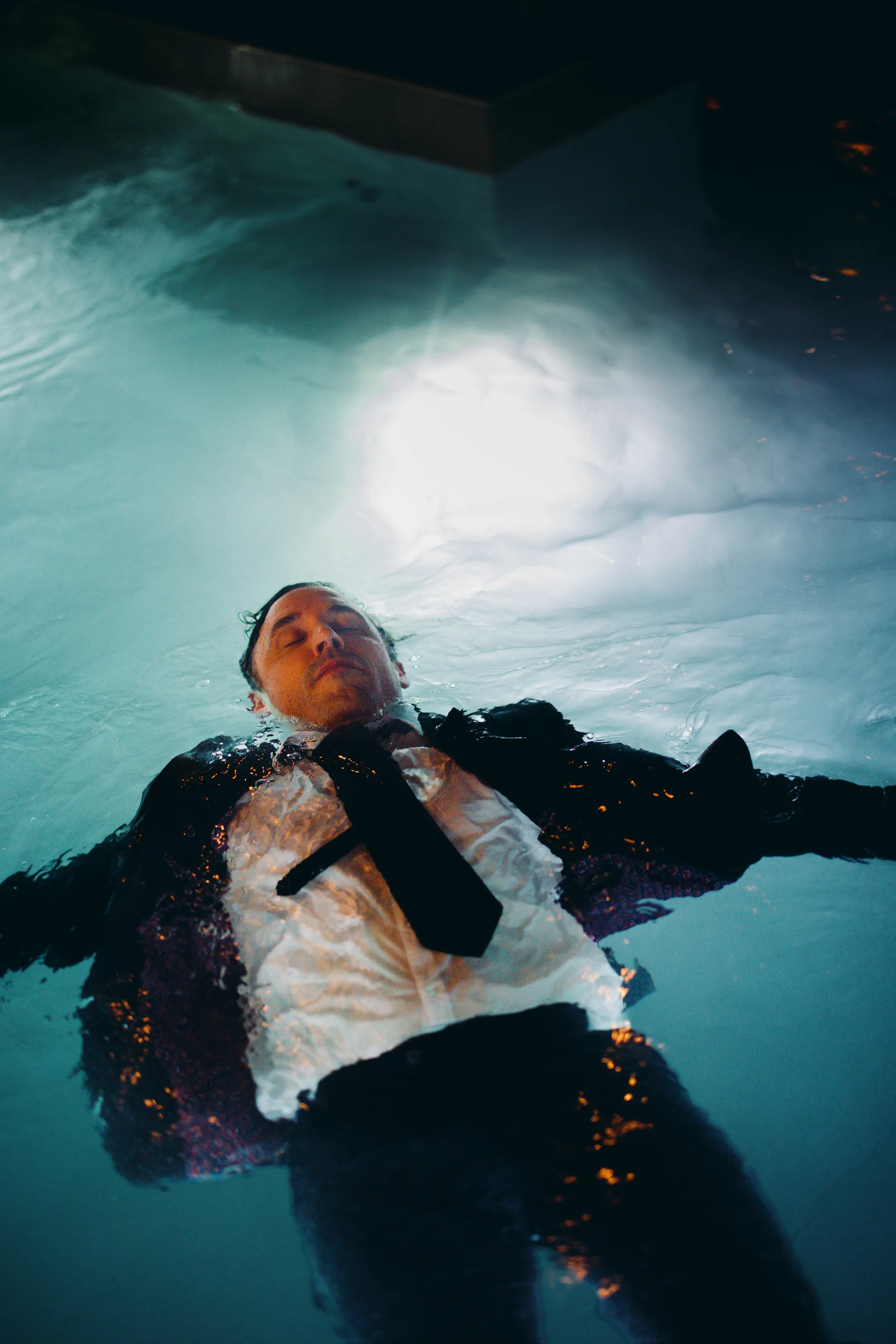
The concept did not come from the brief. It came from asking what this brand needed to feel like and who it needed to attract, which is a question the brief had no room for. You need to be something for somebody, not nothing for everybody, and the obvious version here was beautiful images of an empty spa that could have been any spa. I shot a story about who belongs there instead.
The finish is part of the direction
Direction does not end when the shutter closes, because the edit is where the gallery decides what it says. Colour held consistent across the set, skin tones natural, distractions removed, and then twelve frames that extend the brand's story chosen out of the two hundred that prove the day happened.
That discipline is what makes a set feel made with restraint rather than collected, and it is why the work keeps getting used. A directed gallery feeds social, press, web, and internal channels for a year, because every frame in it was built to live somewhere specific.
The camera is never the whole story
A brand shoot with creative direction is a team executing a plan built to make the brand felt, and the plan starts with one question and holds one standard: beautiful, polished, made with restraint.
If you are planning a campaign, an activation, or a brand shoot that needs to do more than document, tell me about it. It starts where every one of these starts, with what someone should feel when they see the work.