A brand will spend months and a serious budget building an activation, then buy the content the way it buys the catering. The room gets built, the talent gets booked, a dozen people work weekends to make it exist. Then the photos come back with the brand colours slightly off, the reel is cut to somebody's house style, and all of it is fine without being campaign level.
I direct activation content, stills and motion, usually on the same day with the same crew. American Express and Salesforce at the Canadian Grand Prix, Nespresso, Uber Eats at the Montreal Jazz Festival, Hendrick's Gin, Psycho Bunny, IWC and Breitling. The pattern is consistent: the activation gets campaign money and the content that carries it gets coverage money.
The budget stops at the door
The cut lands in the same place every time. Everything that happens in the room is protected, and the record of it is where someone finds savings.
You see it in the delivery. Brand colours drift. A logo that is exact everywhere else sits a shade off in the frame. The reel arrives in an edit style that belongs to whoever cut it. The work is competent and it would pass on any personal account, and next to the brand's own campaign it reads as a different tier.
That is not a camera failure. It is a briefing decision made months earlier, when the content was written into the budget as documentation rather than as an asset the brand would live on.
The content has more jobs than the brief gave it
Ask where an activation's photos and films actually go and the list runs longer than anyone planned for.
They go into the internal deck that shows leadership the thing landed. They go to the stakeholders who backed it and the partners who might back the next one. They go to press. They go on the brand's own channels as stills and as vertical cuts, and often they go behind paid spend.
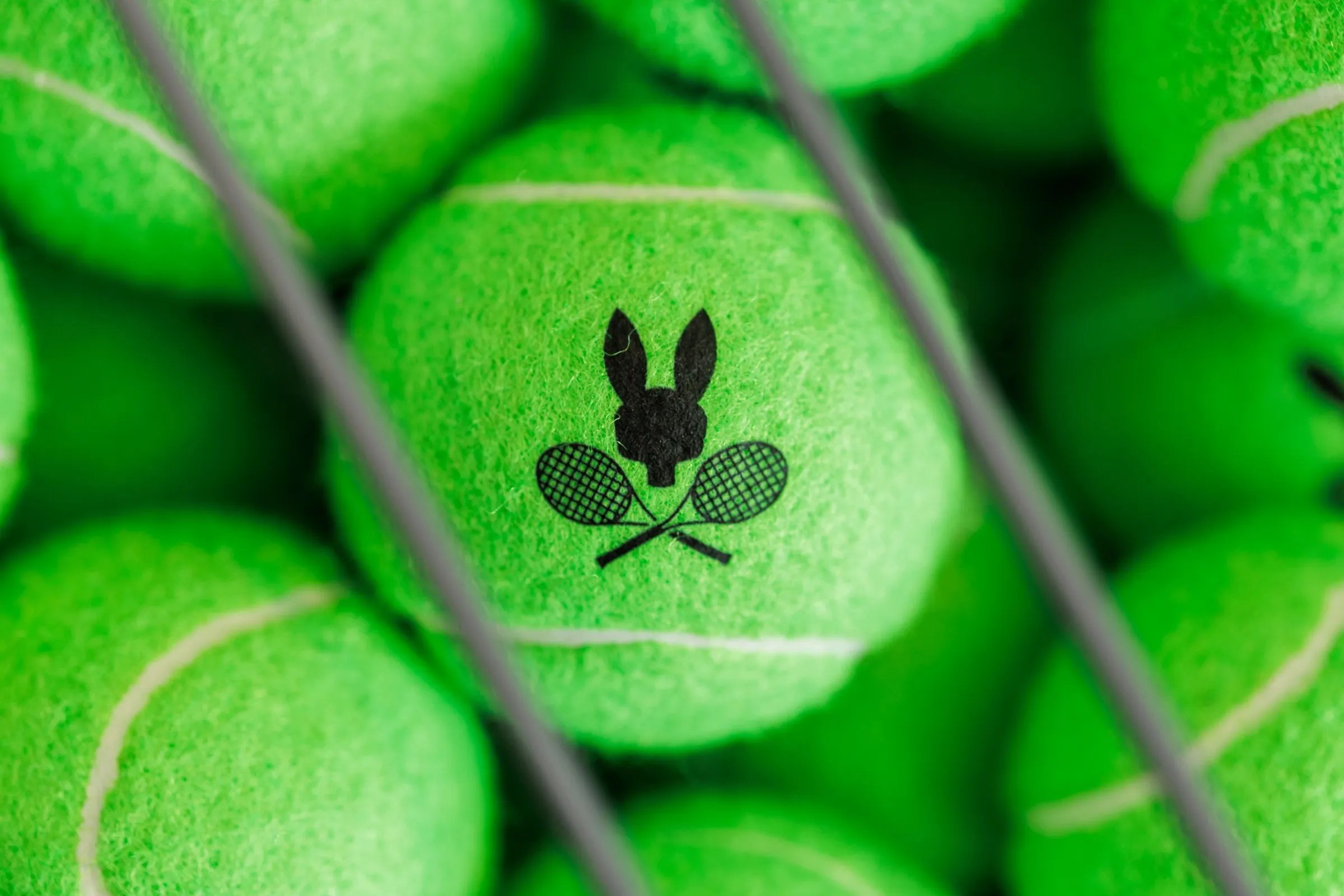
Psycho Bunny took its crest to a tennis court in Montreal and put my set behind paid media as a collab post. It ran to 317,000 views. That is the version of this that costs a brand money to get wrong, because a weak frame in paid media is a weak frame the brand is paying to distribute.
Some of it has to clear somebody else's approval before it goes anywhere. IWC brought George Russell to Montreal for Grand Prix week, and both the recap video and the first photo set went to Mercedes for review. Photo and video shipped inside twelve hours, because the press release went out that Friday and the material had to survive an approval chain first.
Nobody briefs for five destinations. They brief for a gallery, and then five departments come asking.
The activation is the believable half now
Consumers have become good at spotting a campaign. The polish that used to signal quality now signals that money was spent to persuade them, and the reflex arrives before the message does.
An activation does not have that problem. It happened, people were there, and the ones who missed it can tell they missed something. That is why so much brand building has moved into rooms, and why the record of the room now carries weight a campaign asset struggles to carry.
Which puts a strange demand on the content. It has to be made with campaign craft and it has to arrive without campaign artifice.
Campaign craft, without campaign artifice
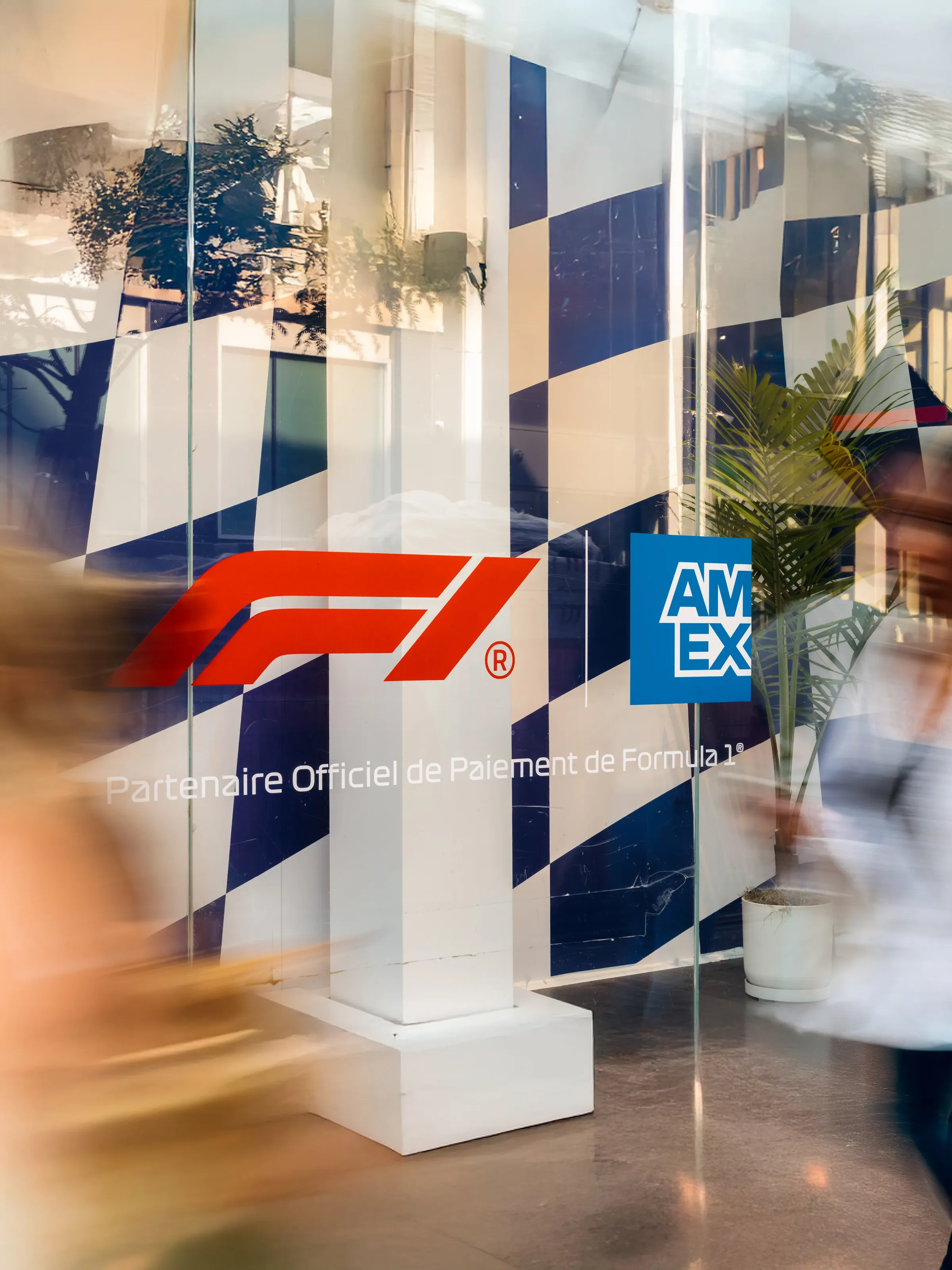
American Express hired me for three days at the Canadian Grand Prix. Cardmembers could not appear on camera, so the people in those images had to be cast.
Before the shortlist was locked I asked whether any of the talent had live campaigns with competing financial institutions. Nobody had asked. One shortlisted creator was running a live campaign for another bank, and since the Amex content was going behind paid spend, the same face would have appeared in two competing ads. The client removed him. Two alternates from my own deck were booked instead.
That is the craft half, and it looks like a casting call. The artifice half is what we then took away. No visible branding, a summer dress, a plain shirt, people who read as guests at a Grand Prix rather than models holding a card.
The same decision runs through motion. On the IWC night the driver delivered one line straight to camera in Quebecois, which is a directing choice and not a coverage choice. Somebody has to decide that the line exists, that it lands in that language, and that it is worth the take.
Hendrick's Gin launched a limited edition built on a Victorian apothecary world, and the risk at a launch is that the strangeness gets sanded down to fit a hospitality template. I shot it as a continuation of the bottle's world instead. Botanical detail, apothecary framing on the cocktails, people staged like figures from the brand's own illustrations.
At Jazz Fest I shot an Uber Eats activation to sit inside the festival's image library rather than beside it. The goal was a sponsor that does not read as a sponsor.
None of that is a filter applied afterwards. It is decided in casting, in styling, and in what the cameras are told to look for.
Speed is planned, not heroic
Activation content has a short window. The room is live, the press desk is working that morning, and social is running while people are still in the building.
At Nespresso Le Studio Cafe I shot four days of programming and the first reel was cut and shipped the same day. At the Nespresso 21K, two vertical films were cut to post while the race was still running.
That is planning rather than speed. The music is chosen before the shoot, the cut is mapped in the shot list, and the camera captures what the edit will need.
The selection is part of the work
I do not hand over everything I shot, and I say so before the shoot rather than after it.
A full card is not generous. It moves the editing onto the client, and a marketing lead with four hundred frames and a deadline will pick the safe ones, and safe frames rarely travel. The set that arrives already chosen is the one that gets used.
Clients sometimes want the whole take, and that is a reasonable instinct when you have paid for a day. What changes it is the second engagement. Once someone has watched a tight set do its job across press and social and the internal deck, they stop asking for the rest. That trust is the compliment that matters.
The eye is trained on where the content is going
A photographer or an editor with a signature look brings it to every job, and on the jobs it fits it produces something nobody else would have made. It is a real thing to sell.
Direction is a different job. It starts from what the content has to do and works backwards into how the day gets shot and how the cut gets built. That is why I ask where the material will live and how long it needs to last before I ask anything about the schedule. I wrote about that split in event photography and brand activation coverage, which are two different jobs pointed at the same room.
Premium brands read a delivery closely, and what they notice is specific. A wide variety of angles rather than one good position worked repeatedly. Moments that were not in the brief, which means somebody was directing rather than waiting. Technique used where it earns its place, a motion blur that carries the energy of a room instead of decorating it. Colour graded to the brand rather than to the camera. And underneath all of it, whether the work feels on brand and on brief at the same time.
Brief the content like it is the campaign
An activation is usually the expensive part of the marketing calendar, and the content is the only part of it that travels. It goes to the people who were not in the room, which is almost everyone who matters.
So the question worth asking before anyone books a crew is what these photos and films have to do, and for how long. If you have an activation coming up, tell me about it.
FAQ
Why does brand activation photography often look worse than the brand's campaign work?
Usually because it was bought differently. The activation is budgeted as an experience and the content as documentation, so the money goes into the room and the record of it gets what is left. The result is a delivery that is fine and visibly a tier below the brand's other work. The fix is a briefing decision rather than a bigger invoice.
Should photo and video be one crew or two?
One team, planned together, unless the scale genuinely needs two. Stills and motion want different framing and different timing on the same moment, so they get planned against each other rather than discovered on the day. Separate bookings tend to produce two sets of coverage of the same thing, and neither gets the moment the other was standing in front of.
What should a brand activation brief include?
Where the photos and films will live, for how long, and what the brand should feel like in them. Add the schedule, the guidelines, and the moments that matter. Intended use is the part briefs skip, and it changes the crew, the shot plan, the casting and the edit. A frame for an internal deck and a frame for a press feature are not the same photograph.
Should we use cast talent at an activation or shoot the real crowd?
It depends on what the content is for and what your brand is permitted to show. Some brands cannot feature customers on camera, which settles it. When the material will run in paid media or press, cast talent gives you usage rights, wardrobe control and people who are comfortable being directed. Casting does not have to look staged, and much of that work is in the styling.