Last year LVMH signed a record ten year deal with Formula 1, and it tells you exactly where the value sits now. Louis Vuitton makes the trophy trunk, TAG Heuer times the races, and Moët is on the podium. When the largest luxury group in the world commits a decade to being in the room, the room is worth being in.
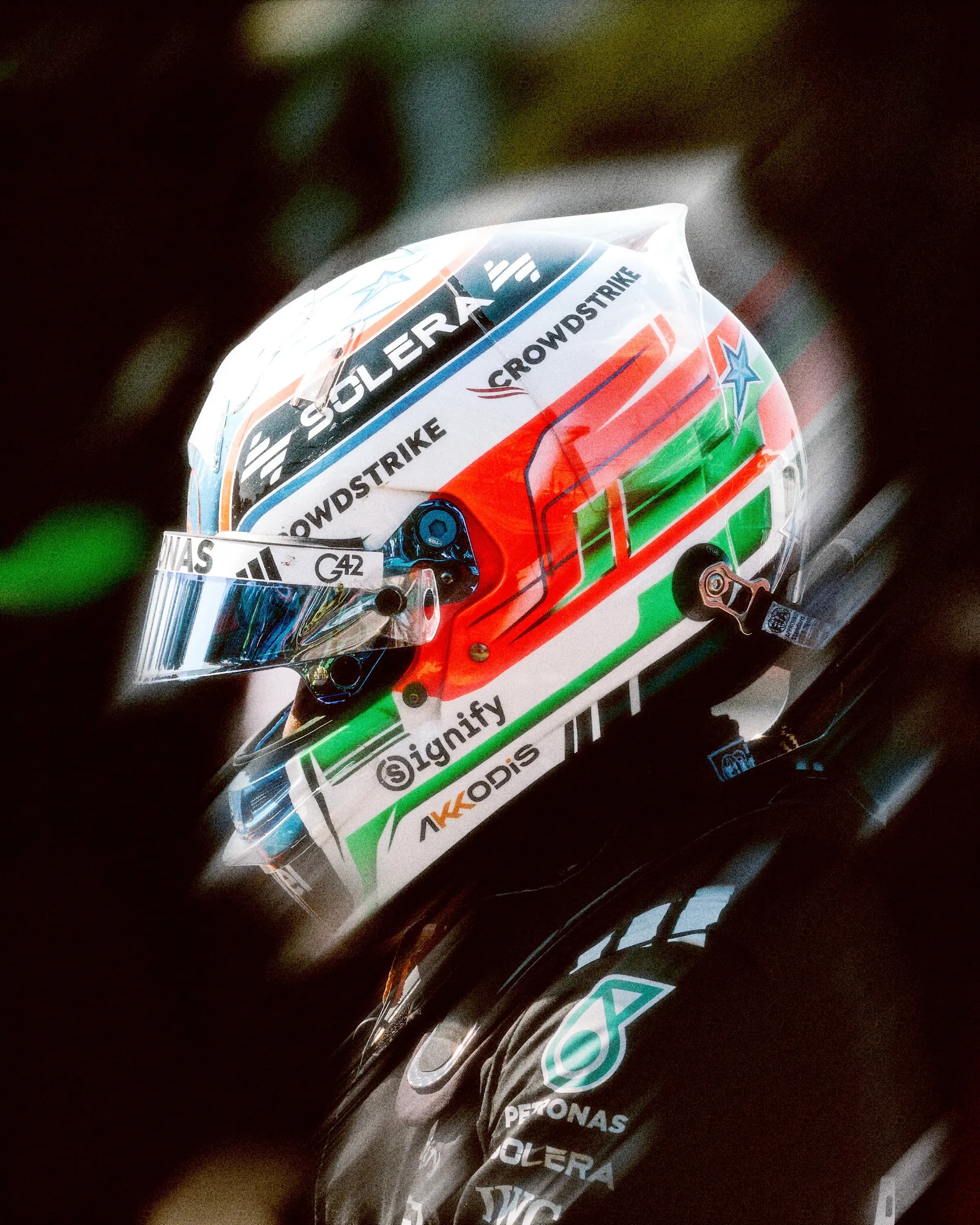
So every premium brand wants in. The Canadian Grand Prix weekend in Montreal is not a race anymore, it is a marketing season. I have spent it working for American Express, IWC, IBM, TAG Heuer and Tim Hortons, where the cars were the least of what anyone booked me for.
Here is what all of them figured out, and it is the part LVMH understands better than anyone. Being there is the easy part. The details are the brand.
Being there is table stakes now
LVMH did not pay for a logo on a barrier. It hand makes a trophy trunk at its Asnières atelier, one for every race on the calendar, reimagined in red Monogram for Monaco, with the winner's initials on it. It could have cut corners and nobody would have noticed. It did not, because it understands something the size of the deal does not capture. Being present in this market only pays off at that level of detail. An experience made with that much care amplifies the brand, a careless one cheapens it, and the whole difference lives in the details.
That is what a brand at the Grand Prix is actually doing. It is running a campaign, not throwing an event. An event gets covered. A campaign gets directed. The photos and the film are not a recap, they are the assets that run in the press, on the brand's channels, and in paid media. They carry the same weight as anything the brand shoots in a studio with three months of planning. Except you get one weekend, the moment happens once, and the room is full of things you do not control.
So the job is not pointing a camera at a fast car. The job is the decisions, and here are the ones that actually separate a campaign from event coverage, from weekends I have shot.
You cast for the story
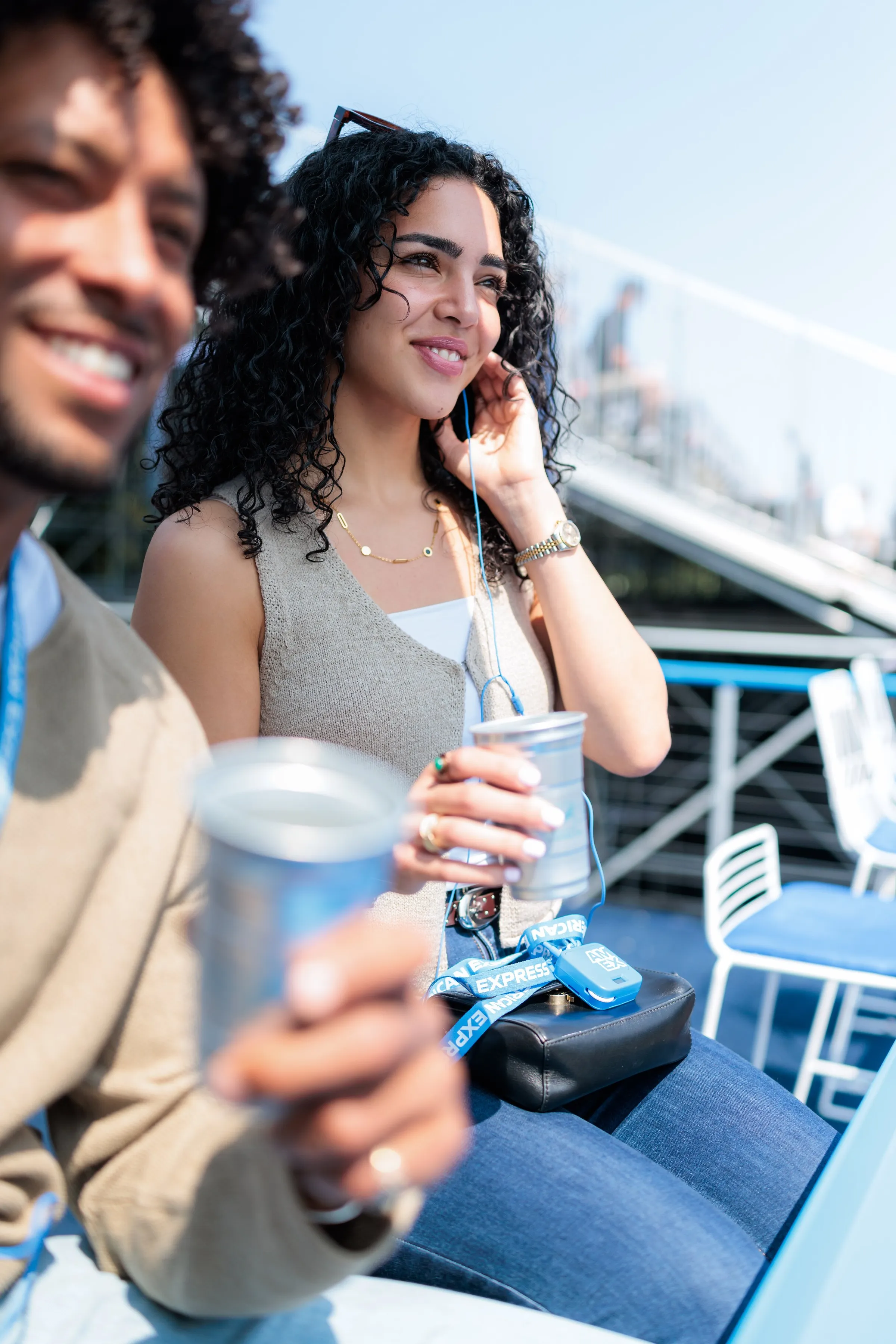
American Express wanted three days of the Grand Prix it could run as a campaign, and its cardmembers could not appear on camera. So the faces were cast. Casting for a campaign means finding people who can carry the feeling the brand is selling and hold it across three days and two rooms. Amex was selling the ease and the access of being a cardmember at the race, and it had to read as real. I cast two from my own network, briefed them into the character before we shot, and built the weekend around them. Checking that nobody was booked on a competitor's campaign matters too, but that is hygiene, the kind any solid production runs. The work is the casting itself.
The racing team gets a say
IWC brought George Russell to Montreal for Grand Prix week, with the Mercedes AMG show car on the boutique floor. Russell drives for Mercedes, so the recap film and the first photos did not go to IWC, they went to Mercedes for review, and the Friday press release was waiting on that sign off. Tim Hortons carried the same kind of gate. When it put its Flatbread Pizza logo on Lance Stroll's helmet and sent him through a Montreal drive-thru in a branded car, Stroll's team had approval over how he appeared. When the work has a second party who can veto it, you shoot for the frame that clears, not only the frame you love, and you plan the coverage around what will survive the review. On the IWC job, photo and video both shipped inside twelve hours, through the Mercedes review and out with the Friday release.
A press desk is waiting on the photos and the reel by morning
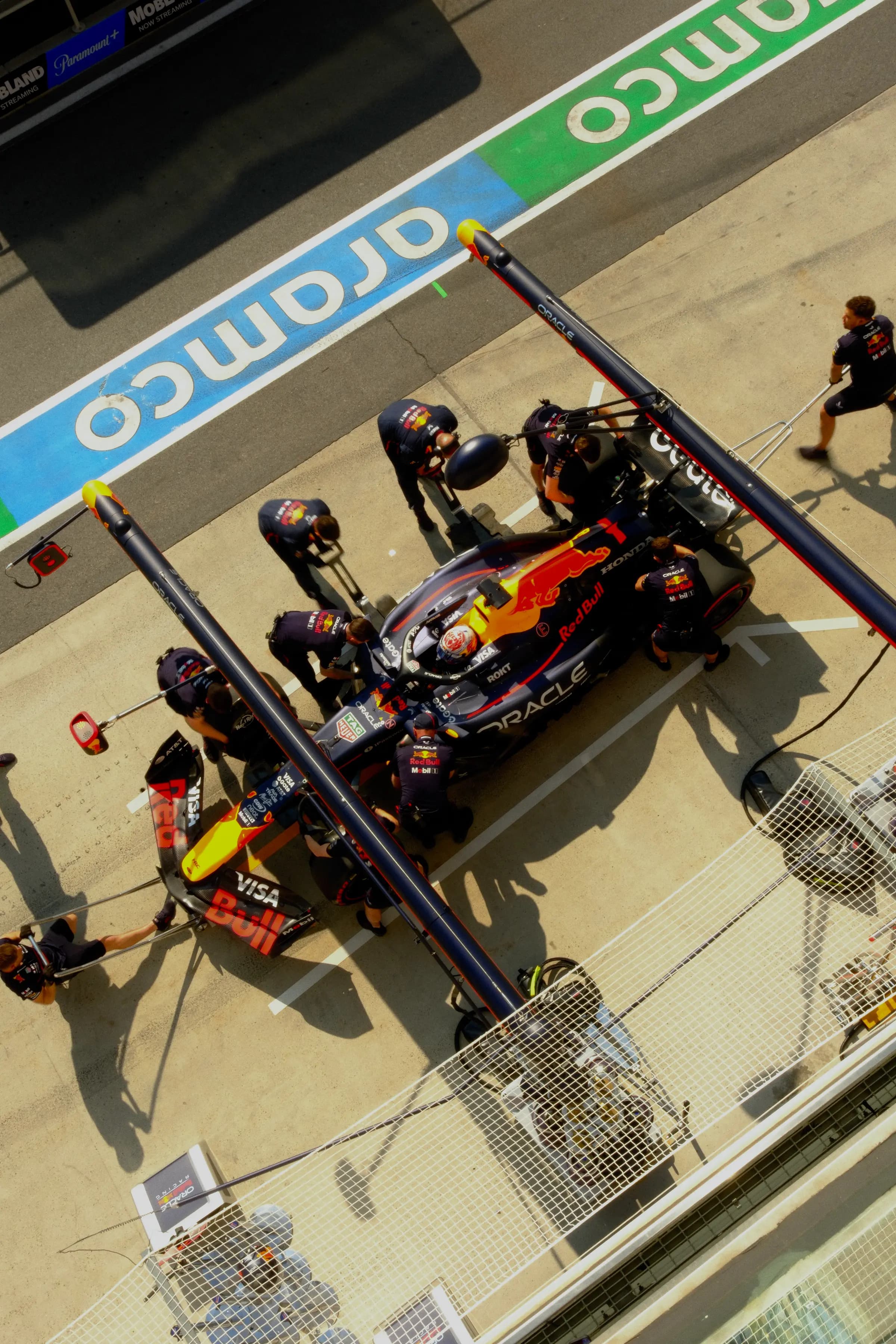
Speed on a campaign is not a bonus, it is the deadline. On the Amex weekend the first set was in their hands at 8:56 the same night, because the content had to be live while the moment was still warm. IBM built a Grand Prix morning around its Ferrari partnership and put the team principal, Fred Vasseur, on stage in front of 140 guests. Its gallery landed the same afternoon, cut to the frames that carried the morning, with the recap film behind it. This is not new for me. Just for Laughs hired me as its festival photographer in 2017 and wrote the overnight turnaround into the contract, because the press desks wanted the strongest frames by morning or they ran someone else's. Newsrooms set that clock a long time ago and brands inherited it.
Part of the speed is knowing what you cannot use. On the IWC job I sourced drone footage of the Old Port, the client loved it, and then I pulled it myself, because that location needs a permit from the port authority and I had learned that the hard way on an earlier shoot. I swapped in cleared footage they liked more. A missing permit does not show up in the edit, it shows up in a takedown three weeks later, and catching that early is part of the job.
Why brands hire a director who shoots, not a photographer
None of that is about a camera. It is casting, clearance, an approval chain, a deadline, a reflection you cannot let into the frame. Those are campaign decisions, and they get made by whoever owns the whole line, from the idea to the final cut. When I shot TAG Heuer's activation at Royalmount during Grand Prix week, the brief had a line that shaped the whole shoot: no competing storefront could appear in a reflection. In a glass boutique inside a mall of other luxury houses, that one detail decided where I stood and what I could use. The reflection was the easy part. The harder part is everything the brief does not spell out, the pace of the film, the emotion it carries, the music under it, and whether the final cut sits inside the brand's own social grid instead of fighting it. At that level the work stops being about the personal style of the editor or the crew and starts being about what the brand needs. TAG Heuer is one of LVMH's Formula 1 houses now, and the brands at the top of this understand that the detail is the work.
So when a brand shows up at the Grand Prix, the question is not who can take a nice photo of the weekend. Loads of people can do that. The question is who owns the details, from the casting call to the frame that ships by morning, and that is why the person making those calls should be the same person holding the camera.
If you are planning something for the next Grand Prix, let's talk.
Common questions
What is the difference between event photography and a brand activation campaign? Event photography documents what happened. A campaign is built to run afterward, in press, on the brand's channels and in paid media, so the images and film are assets rather than a recap. That changes everything upstream: casting, wardrobe, what clears legally, whose approval the work needs, and how fast it has to ship. I direct the campaign and shoot it, so the decisions and the frames come from the same place.
Do you shoot the actual racing? Not for brands. The brand work is the activation, the people, the product and the moment the brand is paying to own, shot as a campaign rather than as track coverage. I keep my own editorial from the paddock, but a brand at the Grand Prix is buying campaign coverage of its own world.
Can you deliver fast enough for a press release? Yes, and it is built into how I work. I have delivered a full campaign set the same night, and a recap film inside twelve hours on a job where a Formula 1 team held approval. Locking the music and the direction before the shoot is what turns the turnaround into a promise instead of a scramble.
Do you only work the Canadian Grand Prix? No, the work travels. The Canadian Grand Prix is where I built it, but I was raised between France, England and California, I have worked on both sides of the Atlantic, and I am moving to London. A brand activating at a race in another market is exactly the conversation I want to have.